
Guarana Seed Powder Extract Water Soluble
Guarana or Paullinia cupana, is a climbing plant of the Sapindaceae family, native to the Amazon basin and especially common in Brazil. Guarana has large leaves and bunches of flowers and is best known for its fruit seeds, which are the size of a coffee bean. It is known throughout Brazil for being a bright red fruit from a bush that can reach up to 10 meters high and is produced in the glorious lands of the north of the country. Its name has a regional etymology, as it was a plant widely used by the native tribes of that region. The color of the fruit varies from brown to red and contains black seeds that are partially covered by white aryls, the contrast of colors when the fruit is opened was compared with the appearance of the eyeballs and became the basis of a myth of origin among the Sateré-Mawé people.
Guarana Seed Powder
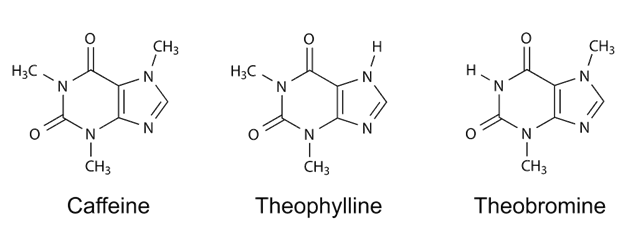
As a dietary supplement or herb, guarana seed is an effective stimulant: it contains about twice the concentration of caffeine found in coffee seeds (about 2–4.5% caffeine in guarana seeds, compared to 1–2% for coffee seeds). The additive has gained notoriety for being used in energy drinks.
In South America, guarana is also used in desserts such as a complement to mousses, ice cream, cake and biscuits, for example. In some cases, it is used alongside the acai berry, giving it more flavor. In beverages, guarana is widely used adding the caffeine and taste to it.
Guarana name and origin
The word guaraná comes from the Guaraní word guara-ná, which has its origins in the Sateré-Maué word for the plant, warana, that in Guaraní means “fruit like the eyes of the people” or “eyes of the gods.
Guaraná plays an important role in Tupi and Guarani culture. According to a myth attributed to the Sateré-Maué tribe, guaraná’s domestication originated with a deity killing a beloved village child. To console the villagers, a more benevolent god plucked the left eye from the child and planted it in the forest, resulting in the wild variety of guaraná. The god then plucked the right eye from the child and planted it in the village, giving rise to domesticated guarana.
The Guaranis make a herbal tea by shelling, washing and drying the seeds, followed by pounding them into a fine powder. The powder is kneaded into a dough and then shaped into cylinders. This product is known as guaraná bread, which is grated and then immersed into hot water along with sugar.
REFERENCES AND BIBLIOGRAPHY
Esmelindro MC, Toniazzo G, Waczuck A, Dariva C (2002) Caracterização físicoquimica da ervamaté: influência das etapas do processamento industrial. Ciência e Tecnoogia de Alimentos 22, 193-204
Bastos DHM, Fornari AC, Queiroz YS, Torres EAF (2006) Bioactive compounds content of chimarrão infusions related to the moisture of yerba mate (Ilex paraguariensis) leaves. Brazilian Archives of Biology and Technology 49, 399-404
Empresa Brasileira de Pesquisa Agropecuária – Embrapa https://www.spo.cnptia.embrapa.br/
BATALHA, M. O. Gestão Agroindustrial, 3ª Ed.: Editora Atlas, 2007. Pág. 724.
Mandel HG (2002) Update on caffeine consumption, disposition and action. Food and Chemical Toxicology 40, 1231-1234
Martin-Aragon S, de Las Heras B, Sanchez-Reus M, Benedi J (2001) Pharmacological modification of endogenous antioxidant enzymes by ursolic acid on tetrachloride-induced liver damage in rats and primary cultures of rat hepatocytes. Experimental and Toxicologic Pathology 53, 199206
Martinet A, Ndjoko K, Terreaux C, Marston A, Hostettmann K, Schutz YNMR (2001) NMR and LCMS n characterisation of two minor saponins from Ilex paraguariensis. Phytochemical Analysis: PCA 12, 48-52
Filip R, Lotito SB, Ferraro G, Raga CG (2000) Antioxidant activity of Ilex paraguariensis and related species. Nutrition Research 20, 1437-1446
The World Life – https://www.worldwildlife.org/magazine/issues/fall-2021/articles/road-torecovery-in-latin-america